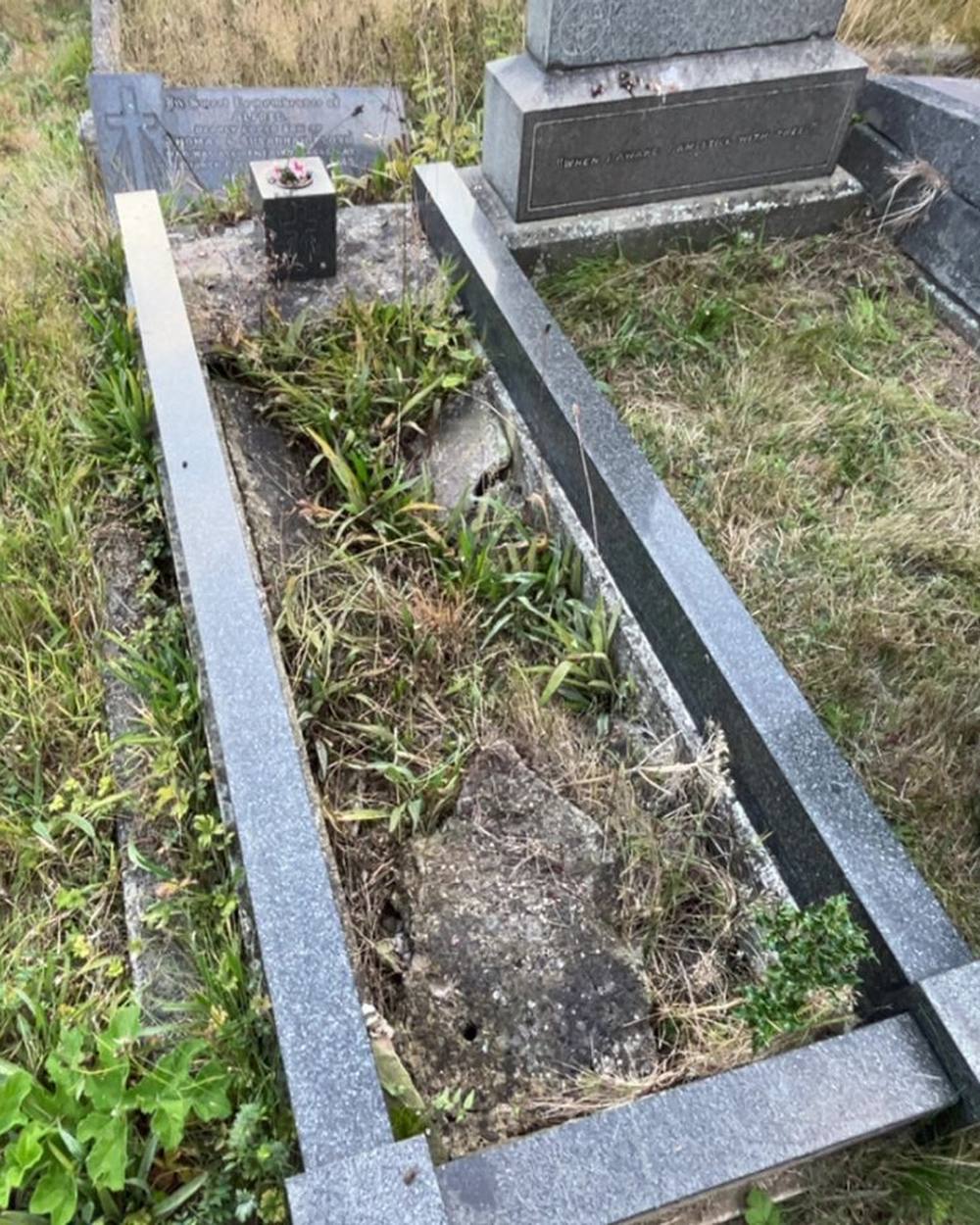
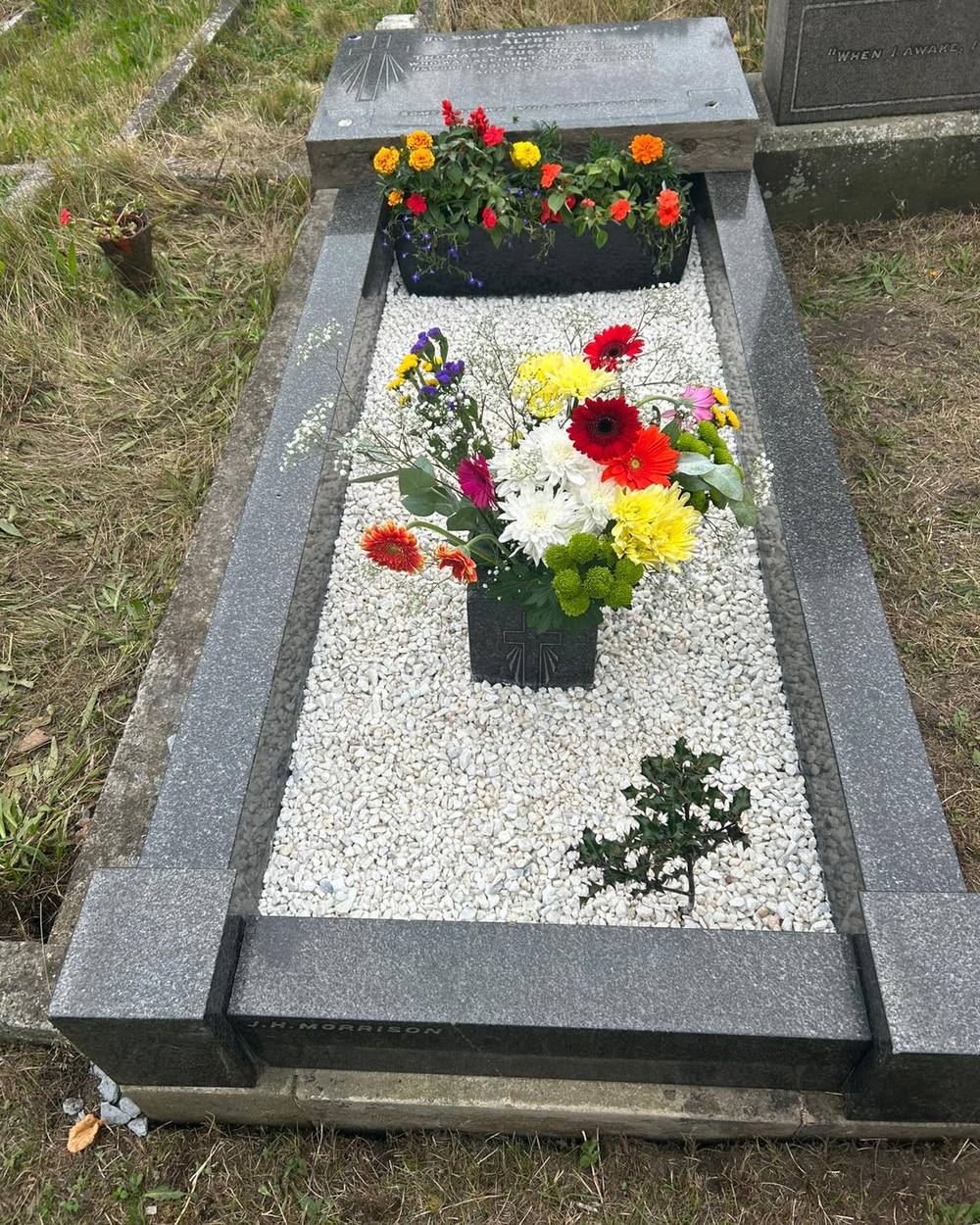
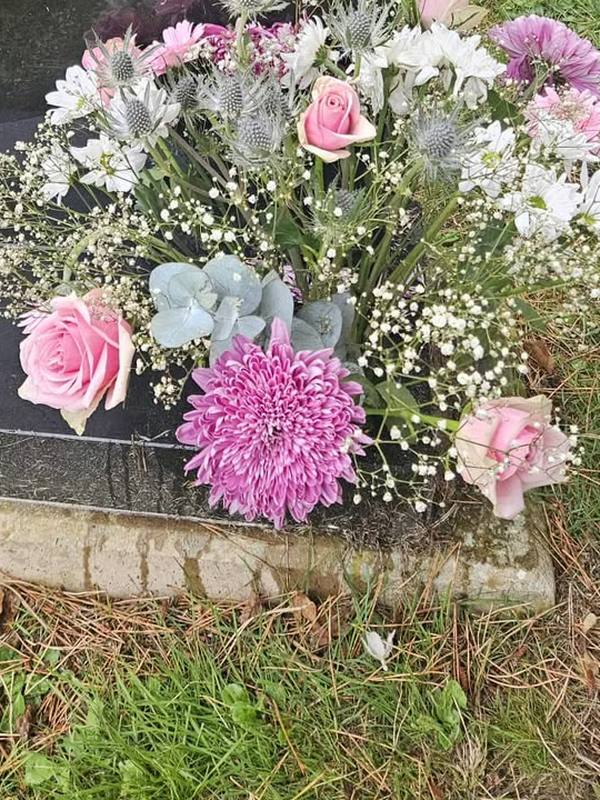
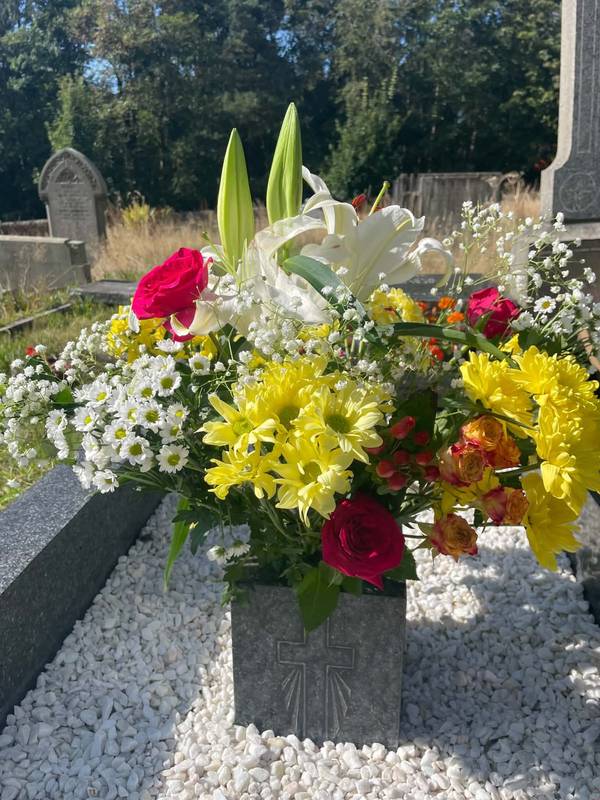
Will the headstone look brand new afterwards?
Not necessarily, and that is deliberate. Safe care of the stone matters more than forcing an instant result. Historic England advise using the mildest effective method on memorials, and warn against trying to make an old stone look new. Some specialist treatments carry on working for weeks after a visit, and some weathering and ageing is simply part of the stone itself.
Do you care for Jewish graves?
Yes, and with the customs observed. Visitors place small stones on a Jewish headstone to show the person is remembered, and those stones are never moved, cleared or tidied away — they stay exactly where they are. Flowers and planting are not part of the tradition in most Jewish communities, so a visit is cleaning, careful tidying and photographs rather than a floral display, unless a family asks otherwise. Visits can be timed to the Yahrzeit, which follows the Hebrew calendar, or to the period before Rosh Hashanah and Yom Kippur when many families visit. We do not visit on Shabbat or on festivals. Every Jewish cemetery has its own rules and its own burial society, and we ask them first, as we would anywhere.
Do you use bleach or washing-up liquid?
No. Routine care is clean water, suitable soft brushes and careful rinsing. Where there is algae, lichen or other biological growth, a specialist stone-safe product may be used, chosen for the material and condition of that particular memorial. No acids, no household cleaners, no aggressive methods.
Have you ever damaged a memorial?
Every memorial is inspected and photographed before any work starts, and existing damage or instability is recorded and shown to you. Structural repair, lifting and resetting are specialist jobs and are not part of a cleaning visit. If a memorial raises any safety or condition concern, work stops and you are informed.
Can you work on any grave if I ask you to?
Your authorisation matters, but the cemetery, churchyard, burial authority or council may also have rules about what is allowed. Those rules are respected in every case. Required permissions remain the family's responsibility unless we agree otherwise, and planting, gravel, ornaments, candles and wreaths are only used where the site permits them.
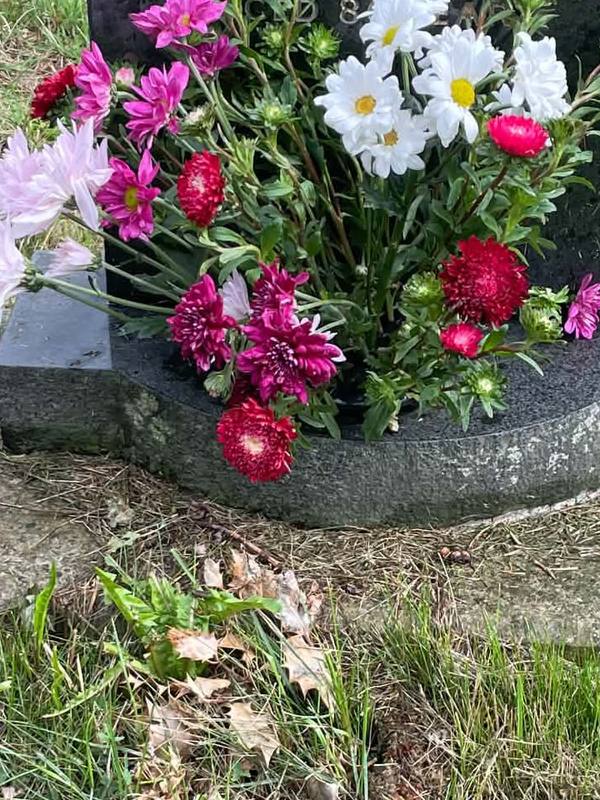
Can you add flowers, plants or gravel?
Yes, where it is suitable and permitted. The right choice depends on site rules, the season, the growing conditions and how often the grave is visited. Gravel is not always the best answer. It adds weight, spreads into surrounding grass and can make later maintenance harder, so we will say honestly if we think planting would serve you better.
Why is a polished penny sometimes left?
Only at a family's request, and only where it is permitted. It is a quiet token that a loved one has been visited, cared for and remembered. It is not an official military, cemetery or Commonwealth War Graves Commission tradition and is never presented as one.
How far do you travel?
Our usual area includes the
cemeteries and churchyards we list across Northumberland, North Tyneside, Newcastle, Gateshead, Birtley, Chester-le-Street, Washington/Usworth and Sunderland. Further afield is often possible and is considered case by case, with any travel cost agreed before anything is booked.